Keto Supplements: Your Guide to Staying Healthy and Balanced on the Keto
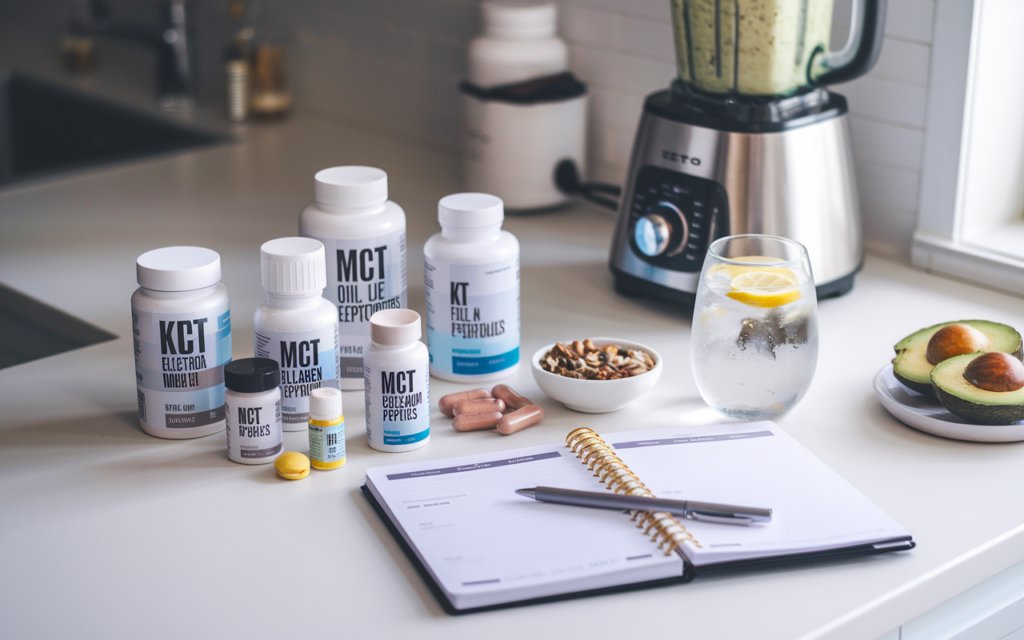
If you’re on the keto diet or thinking about starting it, you’ve probably heard about keto supplements. But what are they, and why are they so important? In this article, we’ll break it all down for you in simple terms. We’ll talk about why keto supplements matter, share some budget-friendly options, and explain how to balance your keto food with supplements.
Why Are Keto Supplements Important?
The keto diet is all about eating high-fat, moderate-protein, and very low-carb foods. This helps your body enter a state called ketosis, where it burns fat for energy instead of carbs. While the keto diet has many benefits like weight loss, better energy, and improved focus it can also cause some nutrient gaps. That’s where keto supplements come in.
Here’s why supplements are important on keto:
- Electrolyte Imbalance: When you cut carbs, your body loses water and electrolytes (like sodium, potassium, and magnesium) faster. This can lead to the “keto flu,” which includes symptoms like headaches, fatigue, and muscle cramps. Supplements can help replace these lost electrolytes.
- Nutrient Deficiencies: Some vitamins and minerals are harder to get on keto, especially if you’re not eating a lot of fruits, grains, or starchy vegetables. Supplements can fill in these gaps.
- Digestive Support: Keto foods are often high in fat, which can be hard for some people to digest. Supplements like digestive enzymes can make it easier for your body to break down fats.
- Boosting Ketosis: Some supplements, like MCT oil or exogenous ketones, can help your body get into ketosis faster or stay in ketosis longer.
In short, keto supplements aren’t just a nice to have. They’re often a must-have to keep your body healthy and balanced on the keto diet.
Budget Friendly Keto Supplements
You don’t need to spend a fortune on keto supplements. Here are some affordable options that can make a big difference:
- Electrolyte Powders or Tablets:
- Why It’s Important: Prevents keto flu by replacing lost sodium, potassium, and magnesium.
- Budget Pick: Look for store brand electrolyte powders or tablets. Brands like Nuun or Ultima Replenisher are also reasonably priced.
- Magnesium Supplements:
- Why It’s Important: Helps with muscle cramps, sleep, and energy levels.
- Budget Pick: Magnesium citrate or magnesium glycinate capsules are affordable and effective.
- MCT Oil:
- Why It’s Important: Gives you quick energy and helps boost ketosis.
- Budget Pick: Look for smaller bottles or store brand MCT oil. You only need 1-2 tablespoons per day, so a little goes a long way.
- Omega-3 Fish Oil:
- Why It’s Important: Supports heart health and balances out the high-fat foods you’re eating on keto.
- Budget Pick: Store-brand fish oil capsules are just as good as name brands.
- Psyllium Husk Powder:
- Why It’s Important: Adds fiber to your diet, which can be low on keto, and helps with digestion.
- Budget Pick: Generic psyllium husk powder is inexpensive and versatile.
- Apple Cider Vinegar (ACV):
- Why It’s Important: Helps with digestion and can stabilize blood sugar levels.
- Budget Pick: Bragg’s ACV is a popular and affordable choice.
These supplements are easy to find at most grocery stores, pharmacies, or online retailers like Amazon. You don’t need to buy them all at once—start with the ones that address your biggest needs.
BEST PROVEN SUPPLEMENTS click HERE(don’t forget to change the language in the top right corner)

How to Balance Keto Food with Supplements
While supplements are helpful, they shouldn’t replace real food. The key is to balance your keto meals with the right supplements. Here’s how to do it:
- Focus on Whole Foods First:
- Try to get as many nutrients as possible from your food. For example, eat leafy greens for magnesium, avocados for potassium, and fatty fish for omega-3s.
- Use supplements to fill in the gaps, not as a replacement for healthy eating.
- Listen to Your Body:
- If you’re feeling tired, getting headaches, or having muscle cramps, you might need more electrolytes. Add an electrolyte supplement or drink more broth (which is high in sodium).
- If you’re having trouble digesting fats, try a digestive enzyme supplement with meals.
- Don’t Overdo It:
- More isn’t always better. Stick to the recommended doses on supplement labels. Taking too much of certain supplements (like magnesium) can cause side effects.
- Pair Supplements with Meals:
- Some supplements work better when taken with food. For example, take fish oil with a meal to help your body absorb it better.
- MCT oil can be added to your morning coffee or smoothie for a quick energy boost.
- Stay Hydrated:
- Drink plenty of water throughout the day, especially if you’re taking electrolyte supplements. This helps your body absorb nutrients and stay hydrated.
A Sample Day of Keto Food and Supplements
Here’s an example of how you can balance keto food with supplements in a day:
Breakfast:
- Scrambled eggs with spinach and avocado (rich in potassium and healthy fats).
- Add a tablespoon of MCT oil to your coffee for energy.
Lunch:
- Grilled chicken salad with olive oil dressing (healthy fats and protein).
- Take a magnesium supplement after lunch to support digestion and energy.
Snack:
- A handful of nuts (great for fiber and healthy fats).
- Drink a glass of water with an electrolyte tablet to stay hydrated.
Dinner:
- Baked salmon with broccoli and butter (omega-3s and vitamins).
- Take a fish oil supplement with dinner for extra omega-3s.
Before Bed:
- Drink a cup of herbal tea with a teaspoon of apple cider vinegar to support digestion.