Keto and Exercise: How to Stay Active, Burn Fat, and Feel Amazing
If you’re trying the keto diet, you’re probably excited about its health benefits, like weight loss, more energy, and stable blood sugar. The keto diet works by putting your body into ketosis, a state where it burns fat for fuel instead of carbs. But what happens when you mix keto with exercise? Can you still work out and stay active? Let’s break it down in simple terms.
How Keto Affects Your Workouts
When you start keto, your body is still learning to burn fat instead of carbs. This can make you feel tired or sluggish during workouts, especially if you’re doing high-intensity exercises like sprinting or weightlifting. But don’t worry, this is normal! After a few weeks, your body will adapt, and you’ll feel stronger and more energized.
- Low-Intensity Workouts: Activities like walking, yoga, or light cycling are great on keto. Your body can easily use fat for energy during these exercises.
- High-Intensity Workouts: Exercises like sprinting or heavy lifting might feel harder at first because they usually rely on carbs for quick energy. But once your body adapts, you can still crush these workouts on keto.
What Research Says About Keto and Exercise
- High-Intensity Exercise May Feel Harder:
High-intensity workouts, like weightlifting or spinning, need quick energy from carbs. On keto, your body burns fat instead, which is slower to use. This can make these workouts feel tougher, especially at first. - Keto Can Boost Fat Burning:
For steady, low-intensity exercises like jogging or cycling, keto can help your body burn more fat. But some studies show that even though you burn more fat, your performance might not improve. - You Might Feel Sluggish at First:
When your body is adjusting to keto, you might feel less energized during workouts. But over time, your energy levels can bounce back, especially for lower-intensity exercises. - Keto May Help Burn More Calories:
Some studies show that keto can help your body burn more calories each day, which can help with weight loss. But remember, fat has more calories than carbs, so you still need to watch your portions. - Keto Is Better for Maintaining Muscle Than Building It:
If you’re trying to maintain your muscle mass, keto can work well. But if you’re looking to build muscle, it might be harder because your body has fewer carbs to use for muscle growth. - Burning Fat Doesn’t Always Mean Losing Fat:
Just because your body is burning fat for energy doesn’t mean you’re losing fat. To lose weight, you still need to burn more calories than you eat.
Tips for Staying Active on Keto
- Start Slow: If you’re new to keto, give your body time to adjust. Begin with lighter workouts and gradually increase intensity.
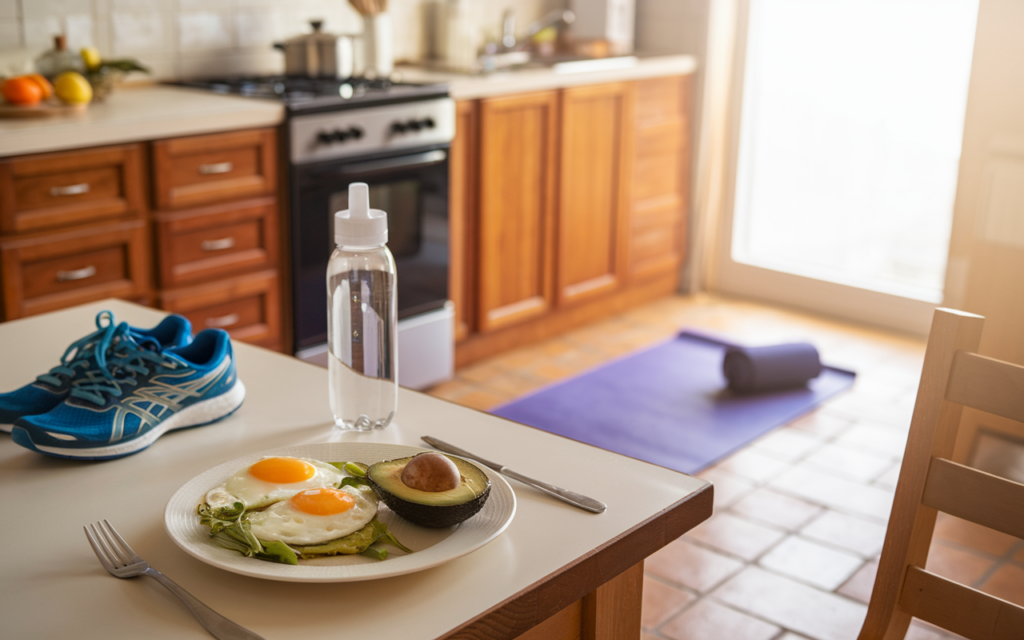
- Stay Hydrated: Keto can make you lose water faster, so drink plenty of fluids before, during, and after exercise.
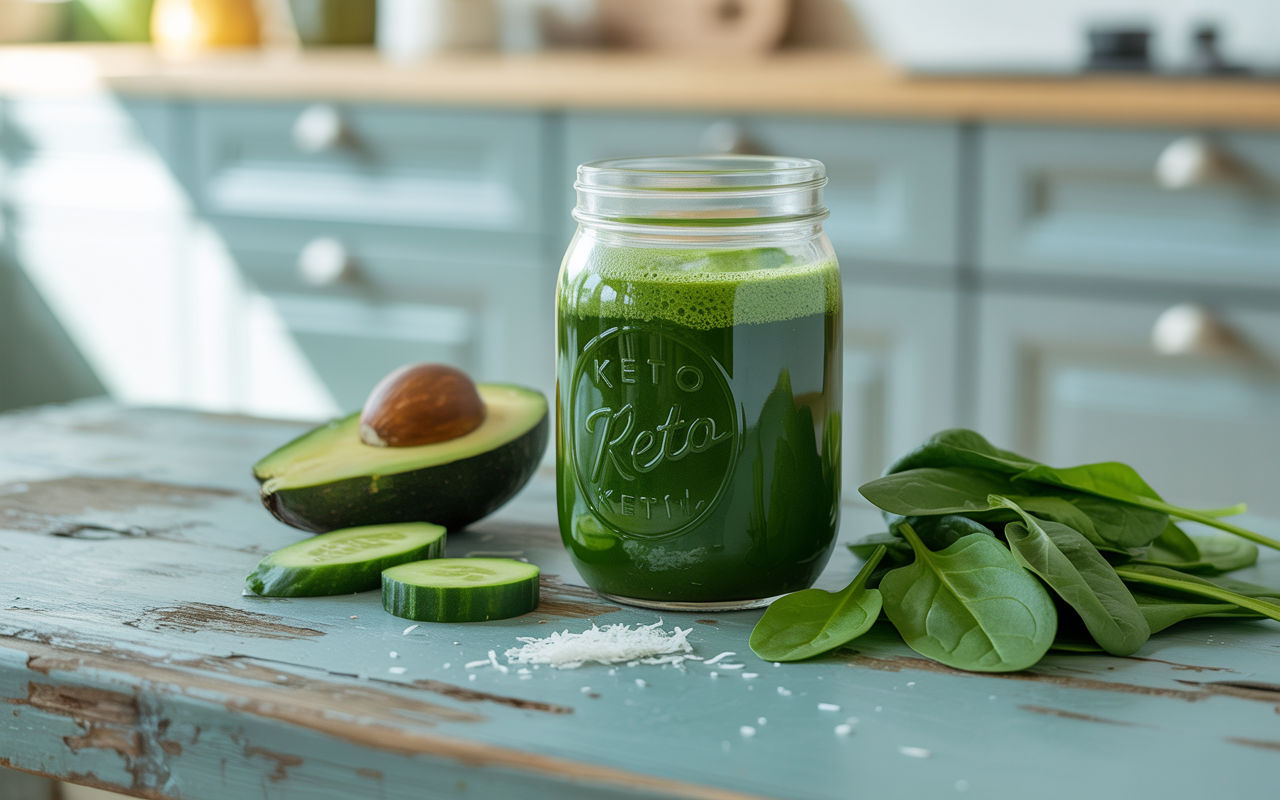
- Add Electrolytes: When you cut carbs, you might lose important minerals like sodium, potassium, and magnesium. Try adding electrolyte supplements or eating foods like avocados and spinach.
- Fuel Smart: If you’re doing a long or intense workout, consider having a small snack with a mix of fat and protein, like a handful of nuts or a boiled egg.
- Listen to Your Body: If you feel tired or weak, take a break. It’s okay to adjust your workouts while your body adapts to keto.
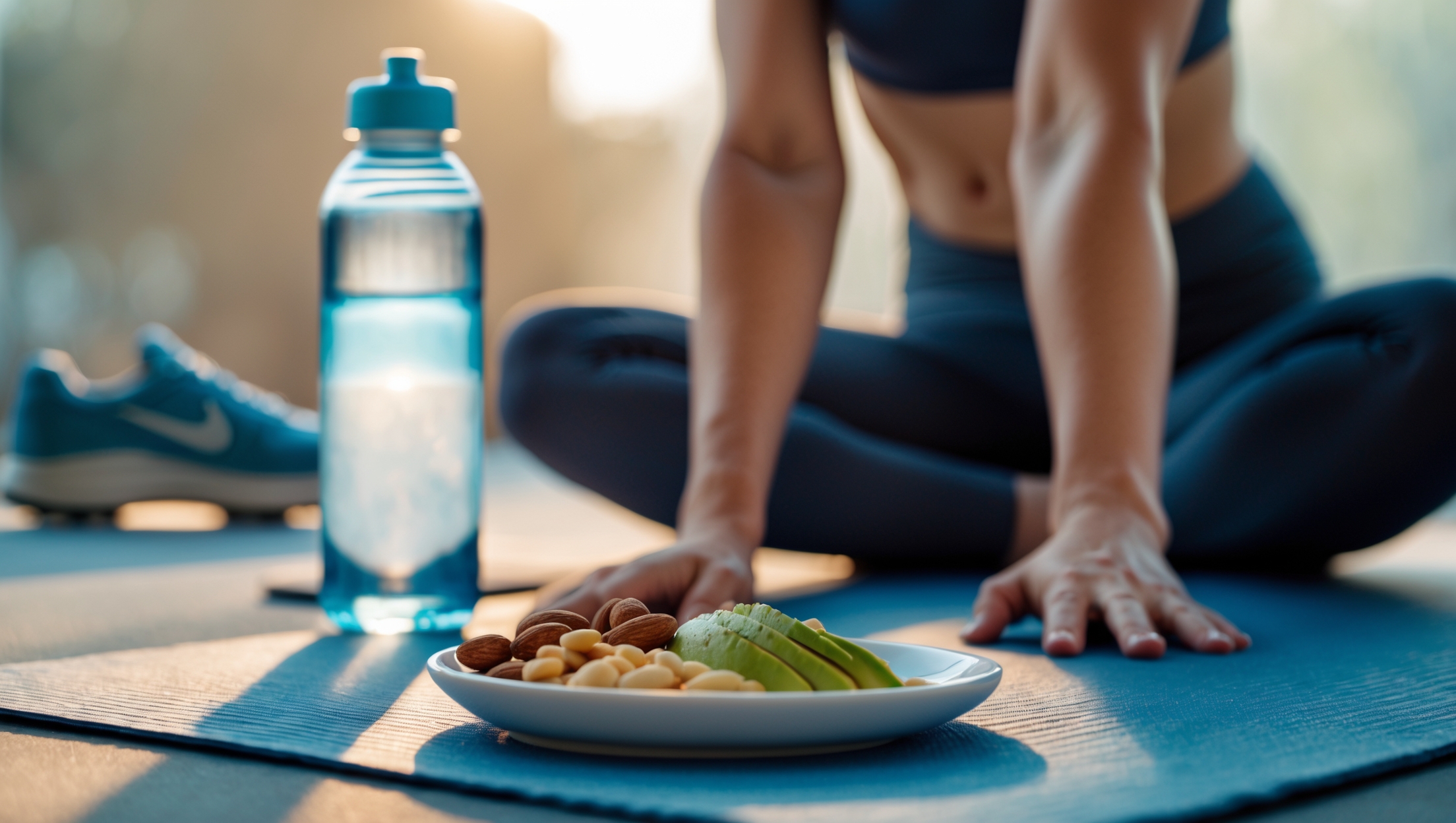
You can absolutely stay active and exercise on the keto diet! It might take a little time for your body to adjust, but once it does, you’ll feel great. Whether you’re into walking, lifting weights, or yoga, keto can work with your fitness routine. Just remember to stay hydrated, fuel your body with the right foods, and listen to how you feel.