What is the Keto Diet ? A Beginner’s Guide to Ketogenic Living
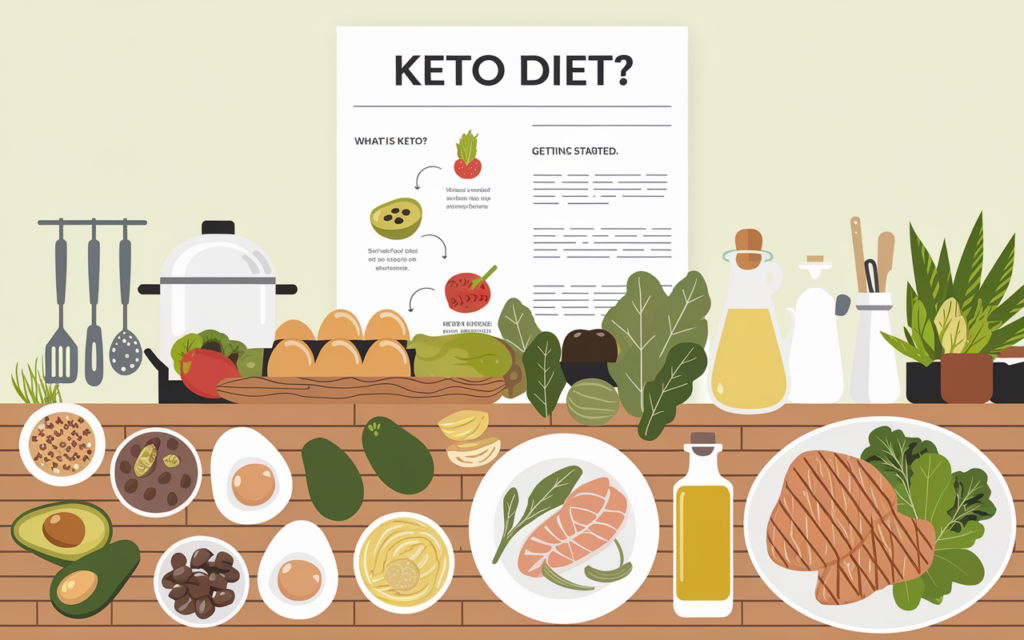
If you’ve been curious about the keto diet, you’re not alone. This way of eating has become super popular in recent years, and for good reason. It’s helped many people lose weight, feel more energetic, and even improve their health. But what exactly is the keto diet? How does it work? And is it right for you? In this beginner’s guide, we’ll break it all down. Let’s dive in!
What is the Keto Diet?
The keto diet, short for ketogenic diet, is a way of eating that focuses on high-fat, low-carb foods. The goal is to get your body into a state called ketosis (more on that in a minute). Instead of relying on carbs for energy, your body starts burning fat instead. Sounds cool, right?
Here’s the basic idea:
- Eat more fat: Healthy fats like avocado, olive oil, and nuts become your main energy source.
- Cut back on carbs: Foods like bread, pasta, and sugar are limited.
- Moderate protein: You still eat protein, but not too much.
The typical keto diet looks like this:
- 70-75% fat
- 20-25% protein
- 5-10% carbs
This might seem like a big change if you’re used to eating a lot of carbs, but many people find it surprisingly easy to adjust.
What is Ketosis?
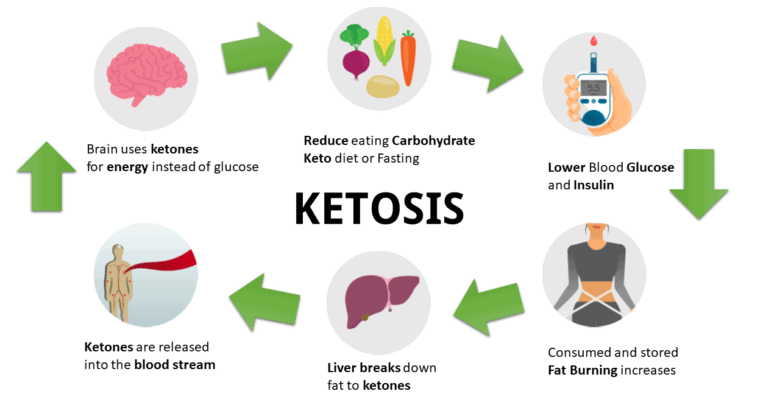
Ketosis is the secret sauce of the keto diet. It’s a natural process that happens when your body doesn’t have enough carbs to burn for energy. Instead, it turns to fat. When your body breaks down fat, it produces molecules called ketones, which become your new fuel source.
Here’s how it works:
- You eat fewer carbs, so your body runs out of glucose (sugar from carbs) for energy.
- Your liver starts breaking down fat into ketones.
- Your body uses these ketones for energy instead of glucose.
Getting into ketosis usually takes a few days to a week. You’ll know you’re there when you start feeling more energetic, less hungry, and maybe even a little lighter on the scale.
Benefits of the Keto Diet
The keto diet isn’t just about losing weight (though it’s great for that). It has a bunch of other benefits too. Here are some of the most common ones:
1. Weight Loss
When your body burns fat for fuel, you naturally start losing weight. Plus, the keto diet helps control your appetite, so you eat less without feeling hungry.
2. More Energy
Once you’re in ketosis, many people report feeling more energetic and focused. No more afternoon crashes!
3. Better Blood Sugar Control
The keto diet can help stabilize blood sugar levels, which is great for people with type 2 diabetes or insulin resistance.
4. Improved Heart Health
Eating healthy fats can improve cholesterol levels and reduce the risk of heart disease.
5. Brain Health
Some studies suggest that ketones can protect your brain and even help with conditions like epilepsy and Alzheimer’s.
Drawbacks of the Keto Diet
Like any diet, keto isn’t perfect. Here are some potential downsides to keep in mind:
1. The Keto Flu
When you first start keto, you might feel tired, dizzy, or irritable. This is called the keto flu, and it happens as your body adjusts to burning fat instead of carbs. Don’t worry. It usually goes away after a few days.
2. Nutrient Deficiencies
Cutting out certain foods can make it harder to get enough vitamins and minerals. That’s why it’s important to eat a variety of keto-friendly veggies and consider taking supplements.
3. Digestive Issues
Some people experience constipation or diarrhea when they start keto. Drinking plenty of water and eating fiber-rich foods can help.
4. Social Challenges
Eating out or going to parties can be tricky on keto. You might need to plan ahead or bring your own snacks.
How to Start the Keto Diet
Ready to give keto a try? Here’s a step-by-step guide to get started:
1. Do Your Research
Learn about the foods you can and can’t eat on keto. There are tons of resources online, including meal plans and recipes. You can also choose from many articles from this blog:).
2. Clean Out Your Pantry
Get rid of high-carb foods like bread, pasta, and sugary snacks. Stock up on keto-friendly staples like eggs, cheese, and olive oil.
3. Plan Your Meals
Planning ahead is key to staying on track. Look up keto recipes and make a shopping list.
4. Track Your Macros
Use an app or food diary to track your fat, protein, and carb intake. This will help you stay within the keto ratios.
5. Stay Hydrated
Drink plenty of water, especially in the beginning. This can help with the keto flu and keep your digestion regular.
6. Be Patient
It takes time to adjust to keto. Don’t get discouraged if you don’t see results right away.
Keto-Friendly Products to Try
One of the best things about keto is that there are so many delicious foods you can eat. Here are some keto-friendly products to add to your shopping list:
1. Healthy Fats
- Avocado
- Olive oil
- Coconut oil
- Butter or ghee
- Nuts and seeds
2. Protein
- Eggs
- Chicken
- Beef
- Fish (like salmon or tuna)
- Tofu (for vegetarians)
3. Low-Carb Veggies
- Spinach
- Broccoli
- Cauliflower
- Zucchini
- Bell peppers
4. Dairy
- Cheese
- Greek yogurt (unsweetened)
- Heavy cream
5. Snacks
- Pork rinds
- Dark chocolate (85% cocoa or higher)
- Almond butter (no added sugar)
6. Keto-Friendly Sweeteners
- Stevia
- Erythritol
- Monk fruit
The keto diet can be a game-changer for many people, but it’s not for everyone. It’s important to listen to your body and talk to your doctor before making any big changes to your diet. If you decide to give keto a try, take it one step at a time. Remember, it’s not about being perfect it’s about finding what works for you.
So, are you ready to start your keto journey? With a little planning and patience, you might just discover a whole new way of eating that makes you feel amazing. Good luck!
BEST KETO AIR FRYER COKBOOK